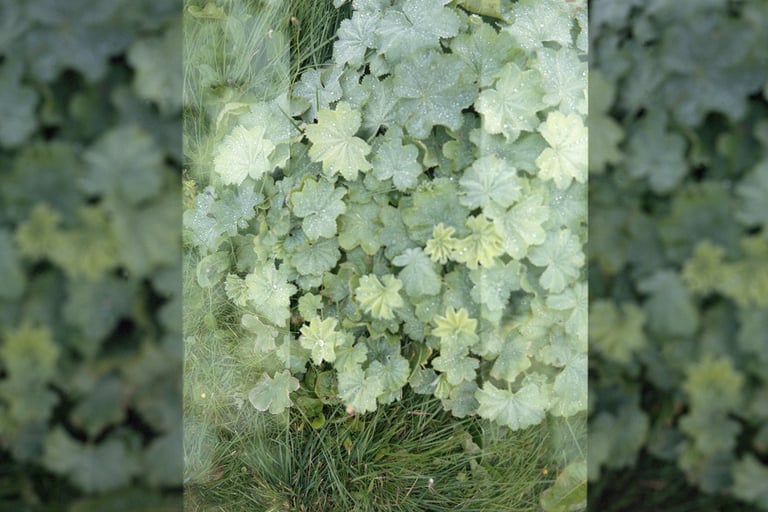
Errore Metodico was born as an analog photographic technique, patented in Italy, whose language is based on the partial overlap of two or more frames during the shooting process. It is not a traditional double exposure: each frame preserves its own identity, yet is methodically made to interfere with the others, generating a single image that becomes a composition, collision, and synthesis of multiple distinct moments. Error thus becomes a controlled gesture, an integral part of the technical process and the foundation of the final visual result.
From this photographic core emerges a broader philosophy that extends the principle of methodological error into different creative and project-based contexts. The underlying idea is that the human element — with its uncertainties and deviations — is not an obstacle, but a generative resource. Fallibility is not an accident to be avoided, but a material to be orchestrated: a structural element that, when embraced methodically, produces unrepeatable results.
Errore Metodico therefore becomes a process: a way of constructing systems, images, thoughts, or experiences in which imprecision, uncertainty, and discrepancy are deliberate operating conditions. As in the photographic technique from which it originates, value also emerges in its conceptual extension through interference: through the imperfect encounter between elements that do not entirely align, yet precisely because of this are able to generate new forms.
Its architecture is grounded in a simple yet radical principle: to use error as a non-replicable creative matrix, allowing the human component — fragile, variable, and inevitably imperfect — to become the very engine of linguistic and conceptual innovation.



Selected Works
Errore Metodico™ by Francesca Cao.
Errore Metodico nasce come tecnica fotografica analogica, brevettata in Italia, che fonda il proprio linguaggio sulla parziale sovrapposizione di due o più fotogrammi in fase di scatto. Non si tratta di una doppia esposizione tradizionale: ogni fotogramma conserva la sua identità, ma viene fatto interferire metodicamente con gli altri, generando un’unica immagine che è composizione, collisione e sintesi di più istanti diversi. L’errore diventa così gesto controllato, parte integrante del procedimento tecnico e fondamento del risultato visivo.
Da questo nucleo fotografico prende forma una filosofia trasversale, che estende il principio dell’errore metodico a contesti creativi e progettuali differenti. L’idea di fondo è che l’umano, con le sue incertezze e deviazioni, non sia un ostacolo ma una risorsa generativa. La fallibilità non è un incidente da evitare, ma un materiale da orchestrare: un elemento strutturale che, se assunto con metodo, produce risultati irripetibili.
Errore Metodico diventa così un processo: un modo di costruire sistemi, immagini, pensieri o esperienze in cui l’imprecisione, l’incertezza e lo scarto sono deliberate condizioni operative. Come nella tecnica fotografica che lo origina, anche nella sua estensione concettuale il valore nasce dall’interferenza: dall’incontro non perfetto tra elementi che non combaciano del tutto, ma che proprio per questo generano forme nuove.
La sua architettura poggia su un principio semplice e radicale: usare l’errore come matrice creativa non replicabile, lasciando che la componente umana – fragile, variabile, inevitabilmente imperfetta – diventi il motore stesso dell’innovazione linguistica e progettuale.