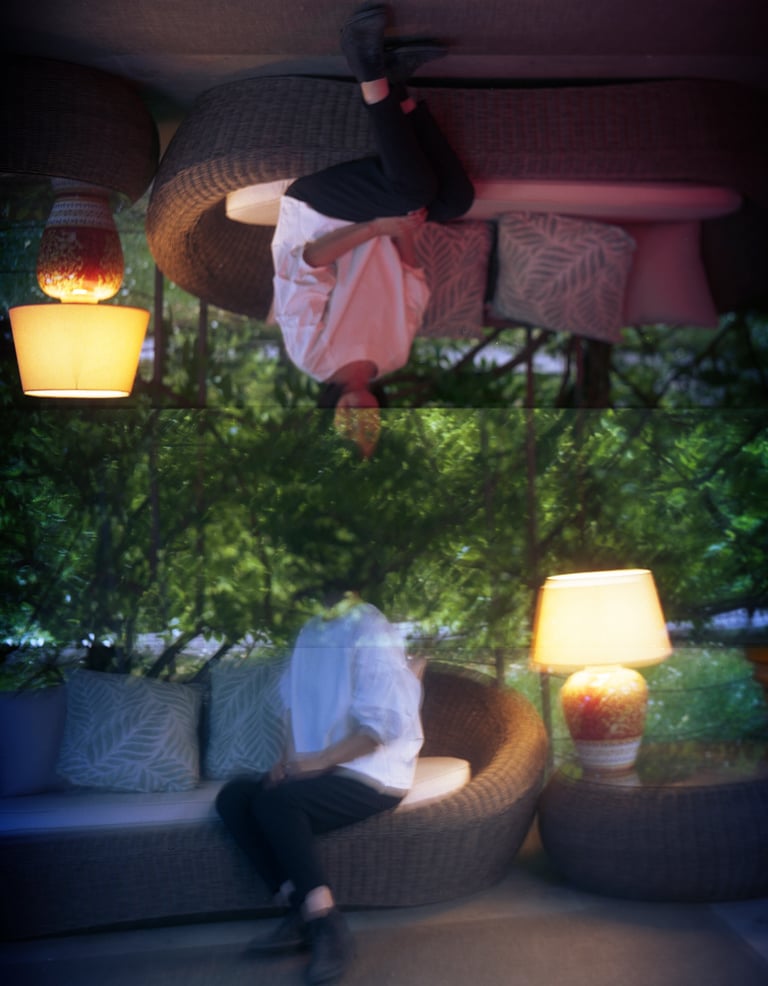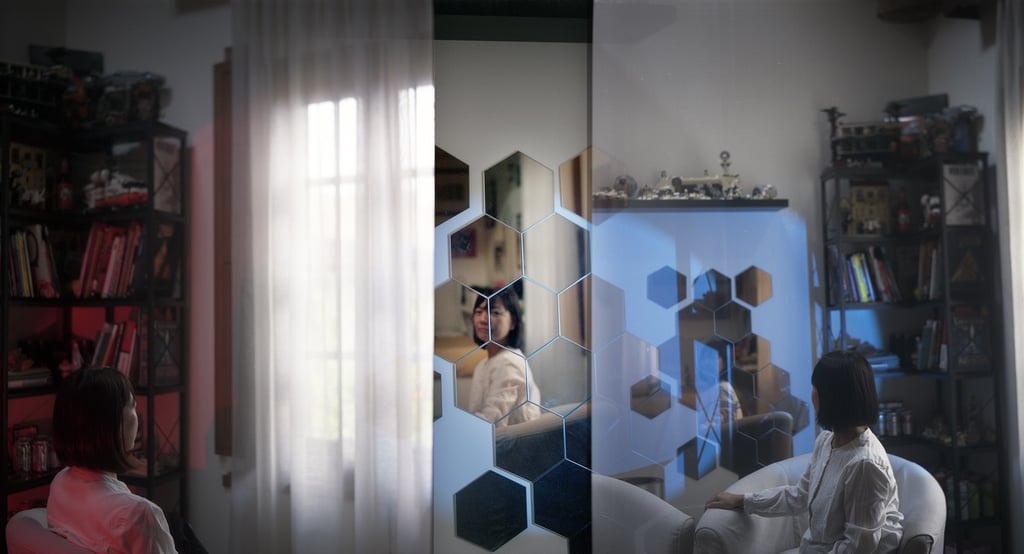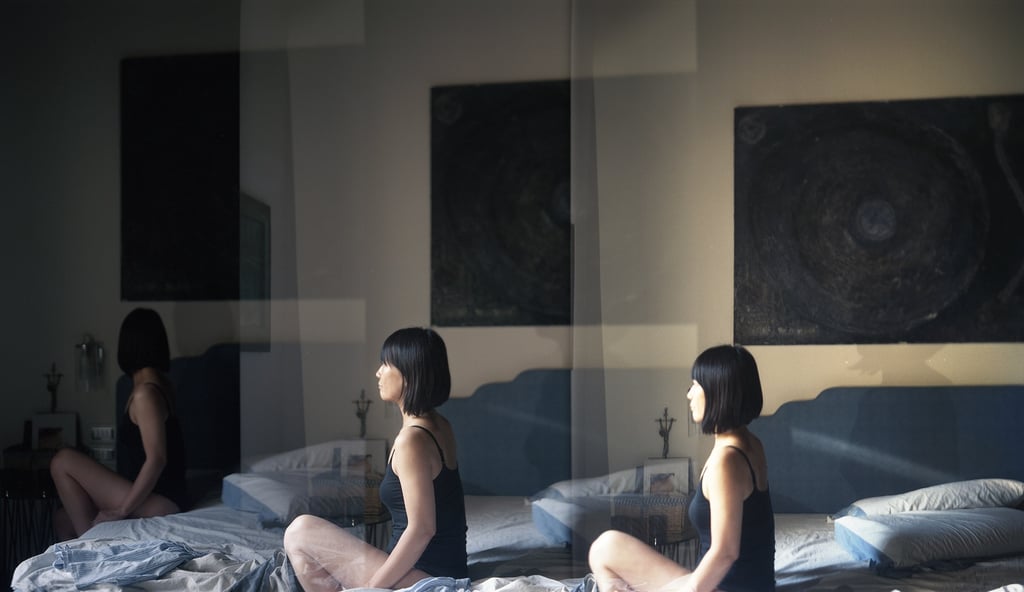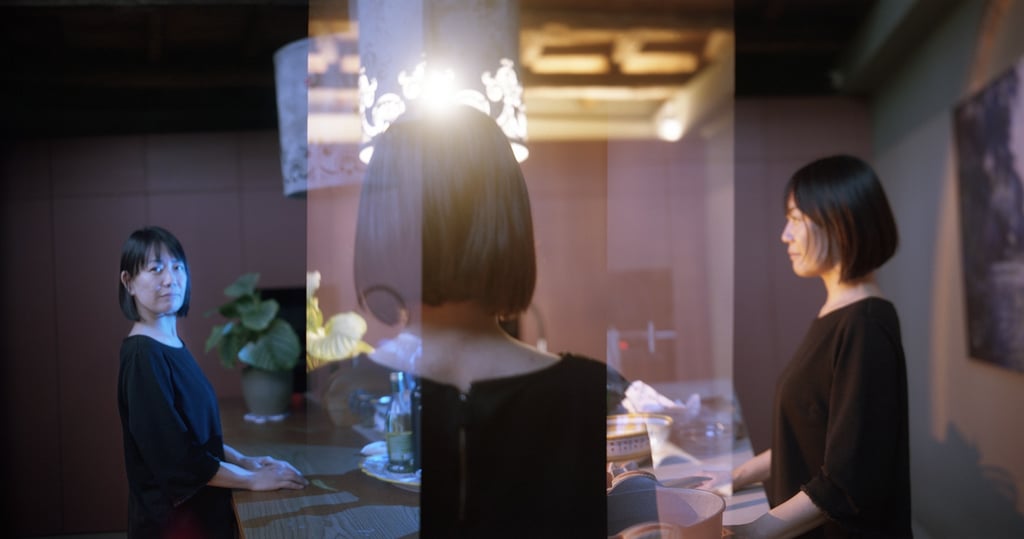

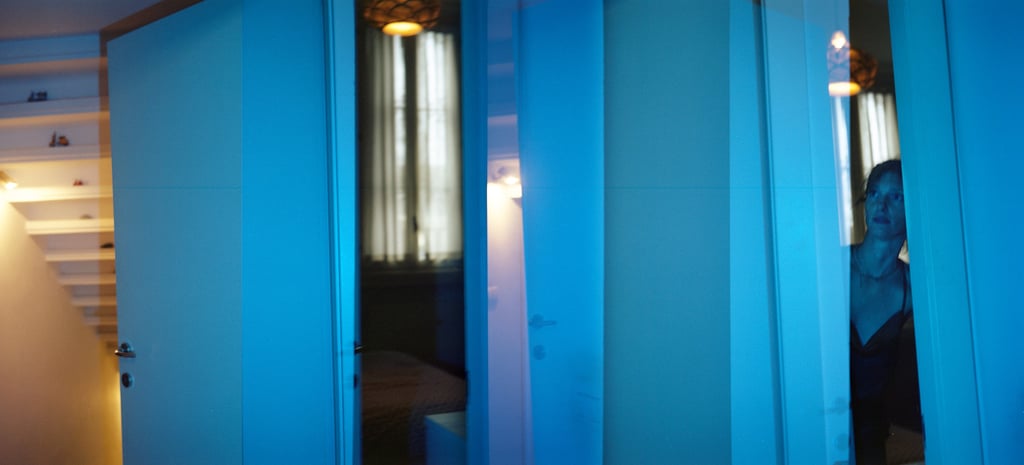
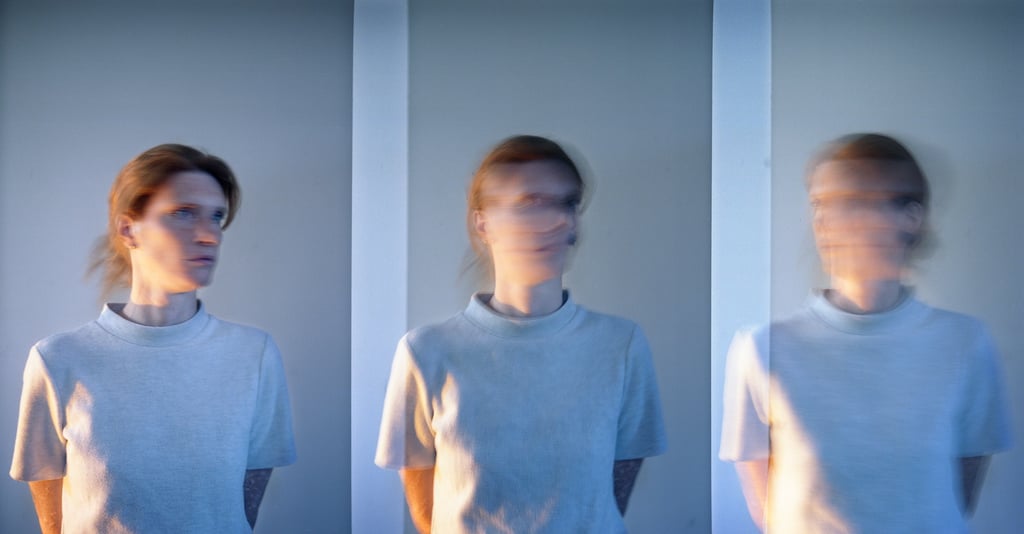
Anatomy of a Fracture investigates moments of transition in which different states of being coexist within the same image.
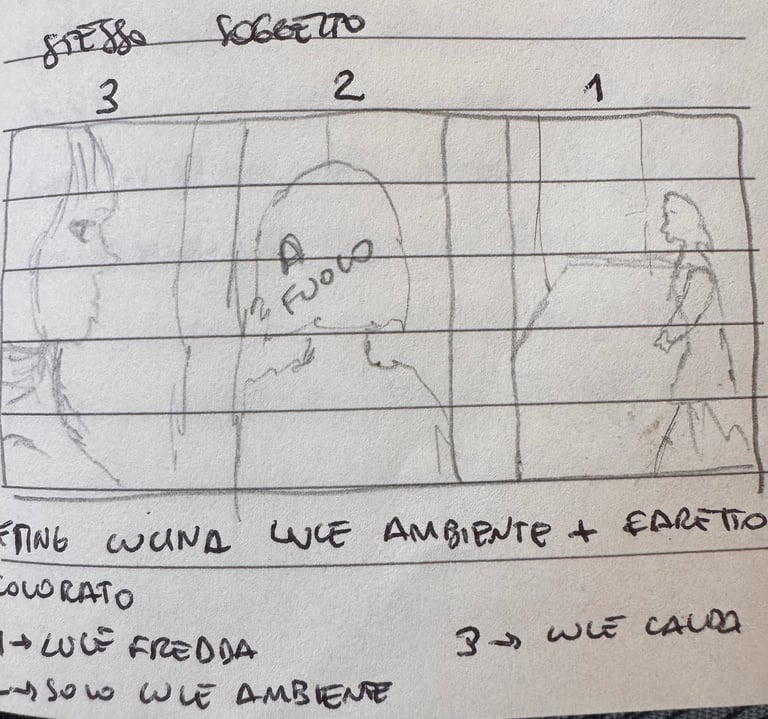
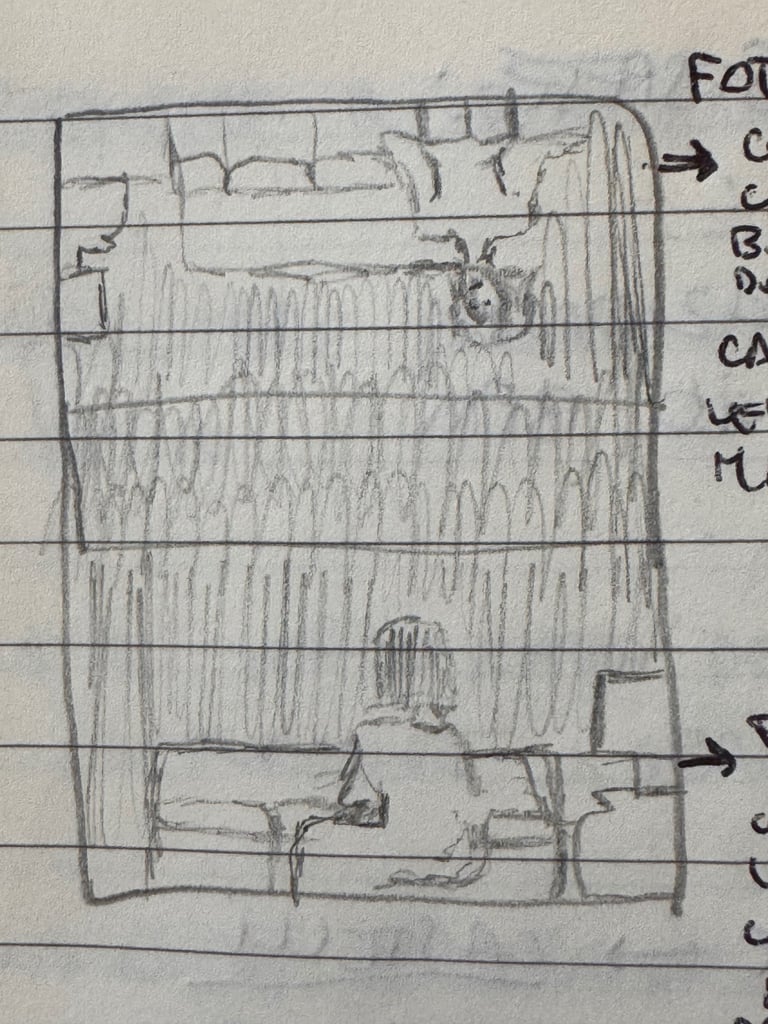
The project originates from a series of drawings composed of intersecting lines. Initially conceived as compositional structures, these lines gradually revealed themselves as thresholds: points of passage between one condition and another, between what emerges and what remains hidden, between who we have been and who we are becoming.
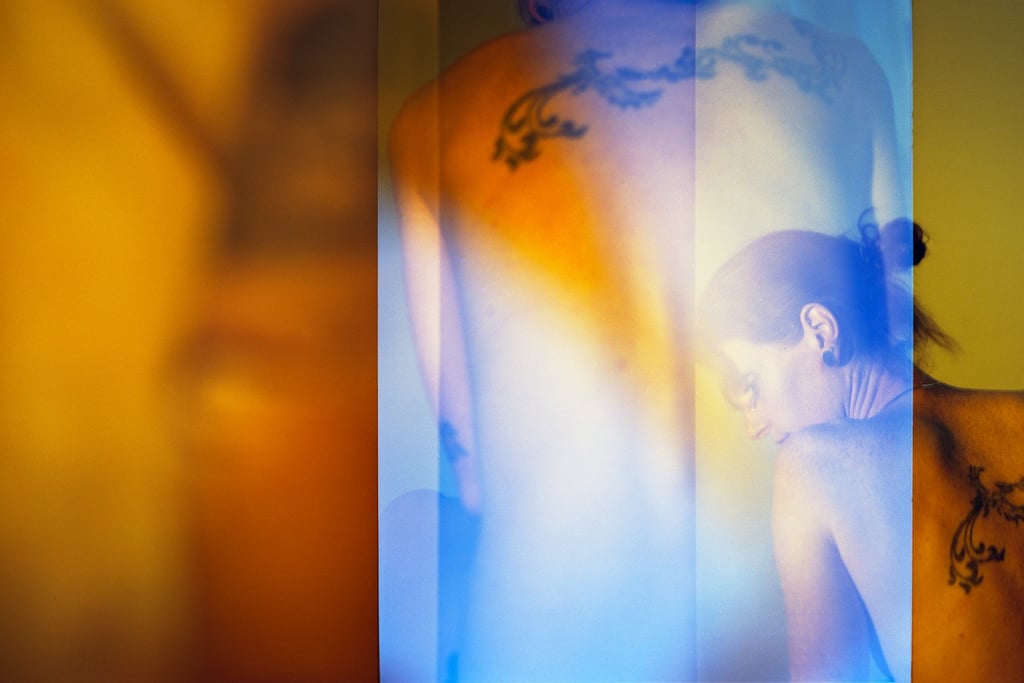
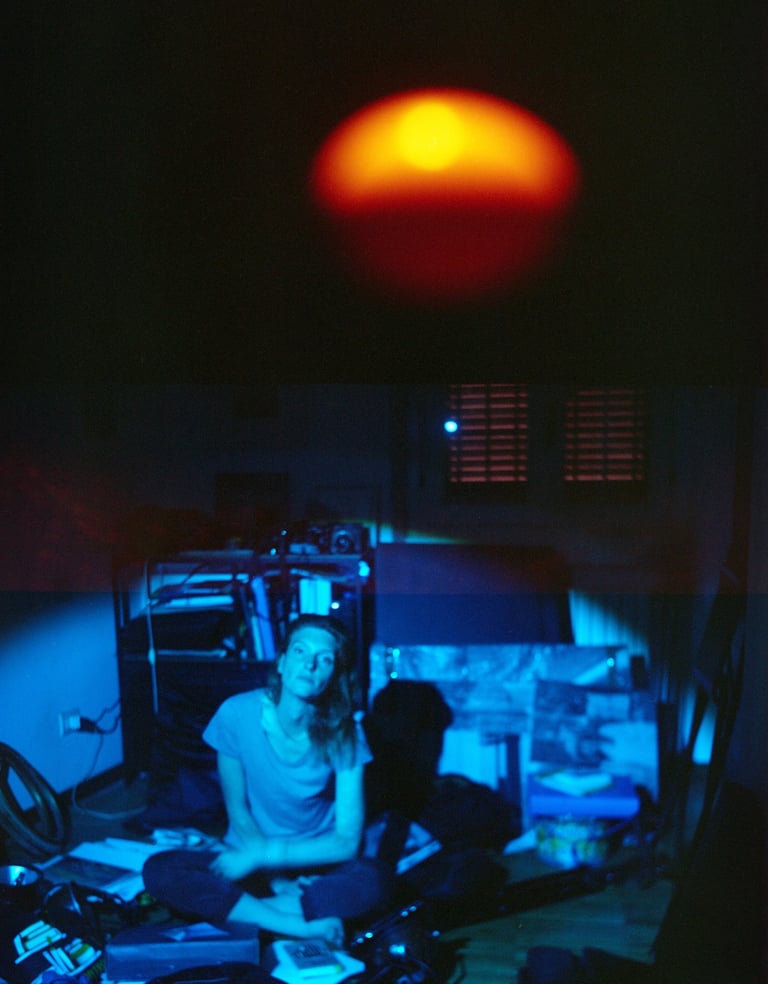
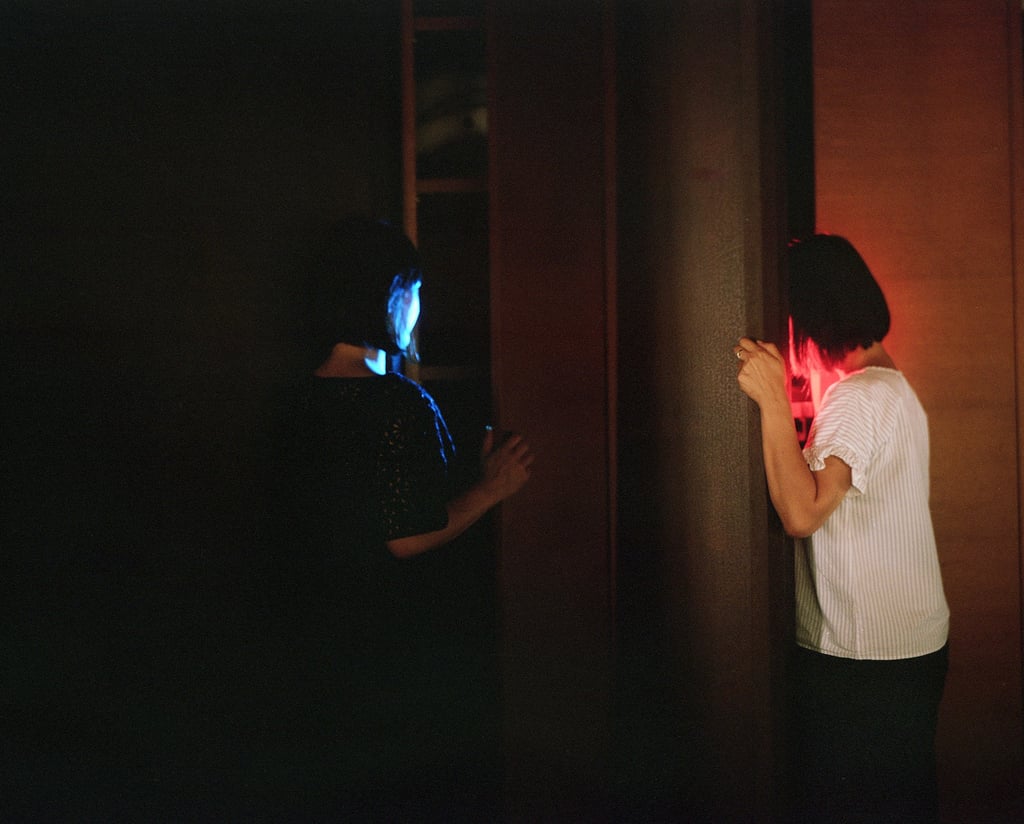
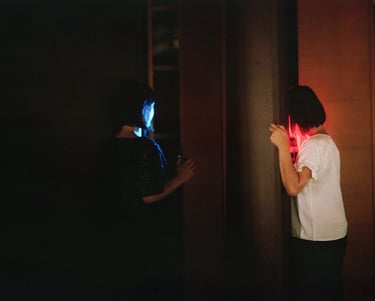
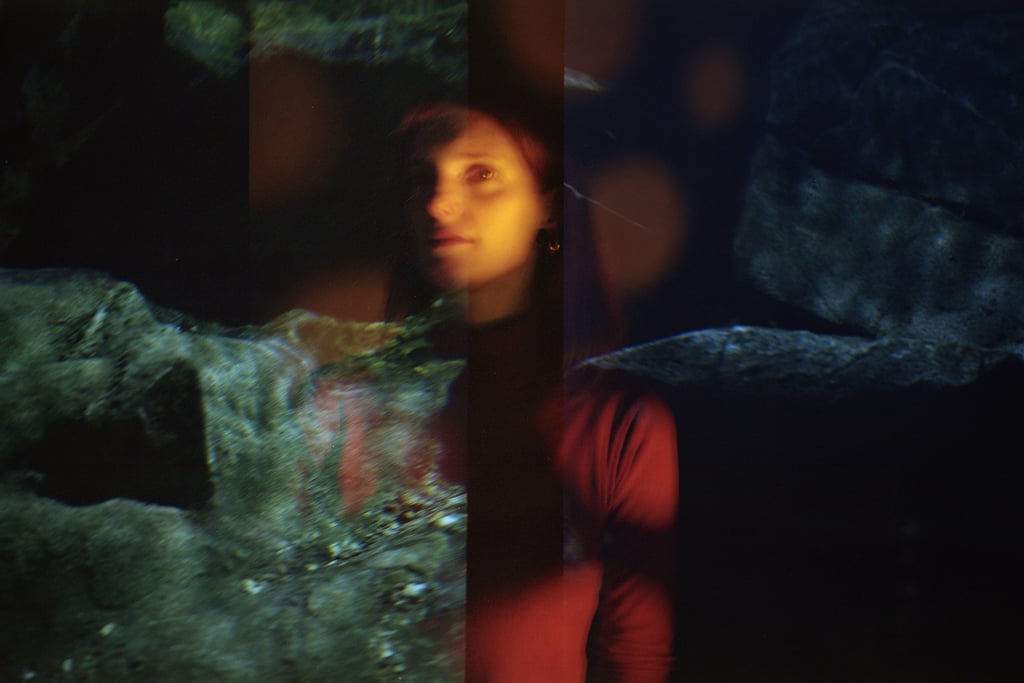
Within the images, the body appears fragmented, duplicated, or partially dissolved. In many cases, the overlapping figures represent the same subject photographed at different ages or in different moments of life, bringing multiple temporalities into a single visual space. These fractures do not represent a definitive rupture; rather, they become spaces of transformation. The overlapping presences suggest that identity is not a stable or singular form, but an ongoing process shaped by memory, experience, and the accumulation of time.
The images inhabit an intermediate territory, suspended between presence and absence, permanence and change, past and future. Different versions of the self can emerge simultaneously without being reduced to a final synthesis, allowing the complexity and contradictions inherent in every process of becoming to remain visible.
Rather than offering a closed narrative, Anatomy of a Fracture proposes a space of observation in which the passage itself becomes visible: a threshold where multiple ages, temporalities, and states of being can coexist within the same image.
Anatomy Of A Fracture
Ongoing
Anatomia di una Frattura indaga momenti di transizione in cui differenti stati dell'essere coesistono all'interno della stessa immagine.
Il progetto nasce da una serie di disegni composti da linee che si intersecano. Inizialmente concepite come strutture compositive, queste linee si sono progressivamente rivelate come soglie: punti di passaggio tra una condizione e un'altra, tra ciò che emerge e ciò che rimane nascosto, tra chi siamo stati e chi stiamo diventando.
Nelle immagini, il corpo appare frammentato, duplicato o parzialmente dissolto. In molti casi, le figure sovrapposte rappresentano lo stesso soggetto fotografato in età diverse o in differenti momenti della propria vita, facendo convivere molteplici temporalità all'interno di un unico spazio visivo. Queste fratture non rappresentano una rottura definitiva; al contrario, diventano spazi di trasformazione. Le presenze sovrapposte suggeriscono che l'identità non sia una forma stabile e unitaria, ma un processo continuo plasmato dalla memoria, dall'esperienza e dall'accumularsi del tempo.
Le immagini abitano un territorio intermedio, sospeso tra presenza e assenza, permanenza e cambiamento, passato e futuro. Diverse versioni del sé possono emergere simultaneamente senza essere ricondotte a una sintesi definitiva, lasciando visibili la complessità e le contraddizioni che caratterizzano ogni processo di divenire.
Piuttosto che offrire una narrazione conclusa, Anatomia di una Frattura propone uno spazio di osservazione in cui il passaggio stesso diventa visibile: una soglia in cui età, temporalità e stati dell'essere differenti possono coesistere all'interno della stessa immagine.

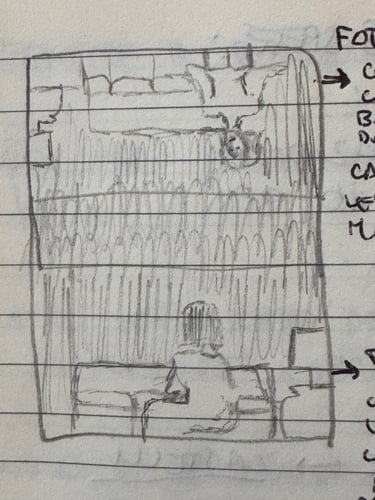
Every fracture begins with a line
Ogni frattura inizia con una linea